
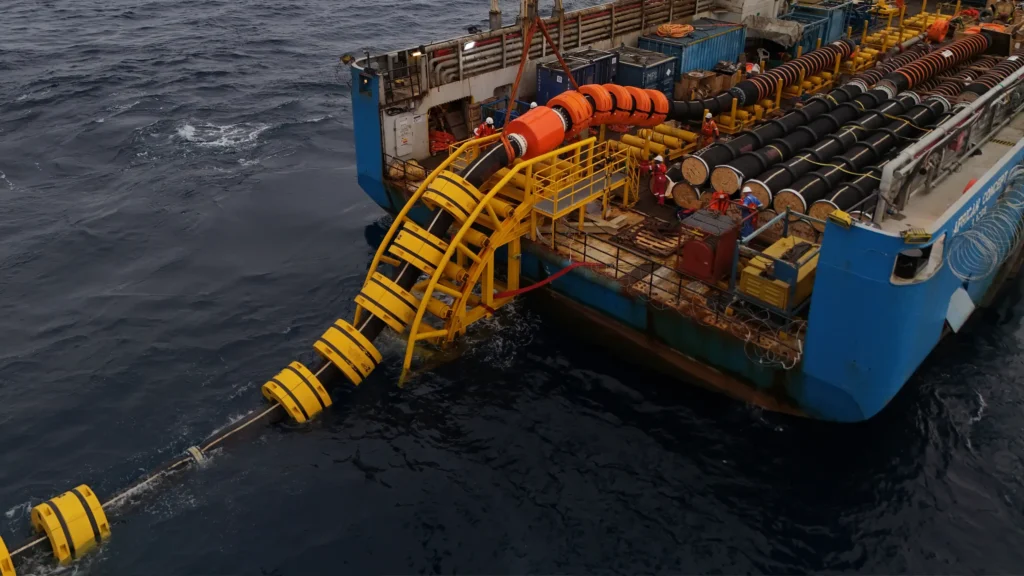
Single Anchor Loading System Anyala-Madu Field
Complete T&I of SAL Anchor Pile, Base Turret Assembly, Pennant Buoy, mooring system, 20″– 24″ hose flowline system, Idle Buoy, and full…
Discover more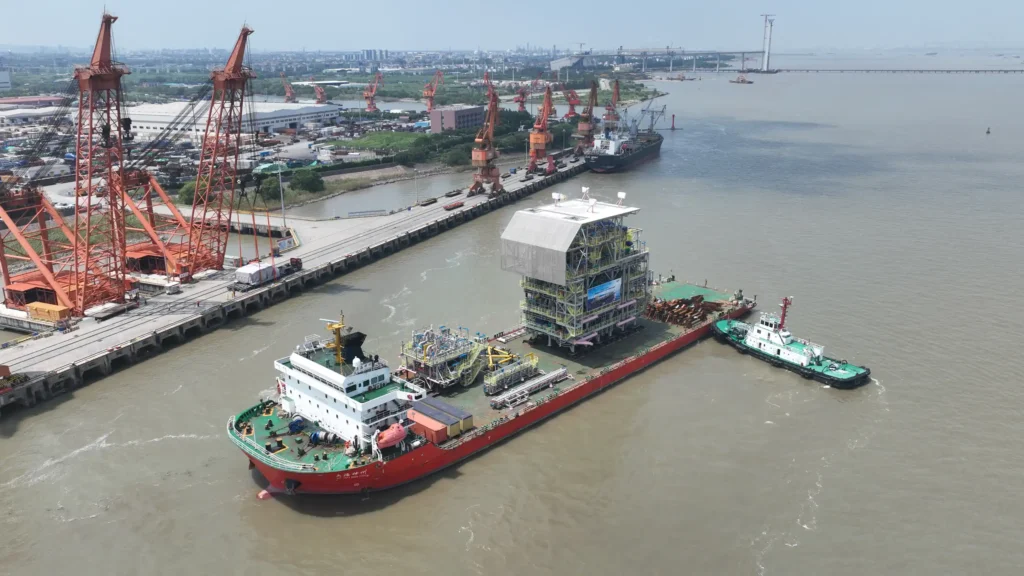
FPSO Abigail Joseph Debottlenecking
Enhancement of FPSO production capacity from 60,000 to 70,000 bopd with expanded gas processing to 120 MMscf/d. Module transportation from Shanghai, China…
Discover more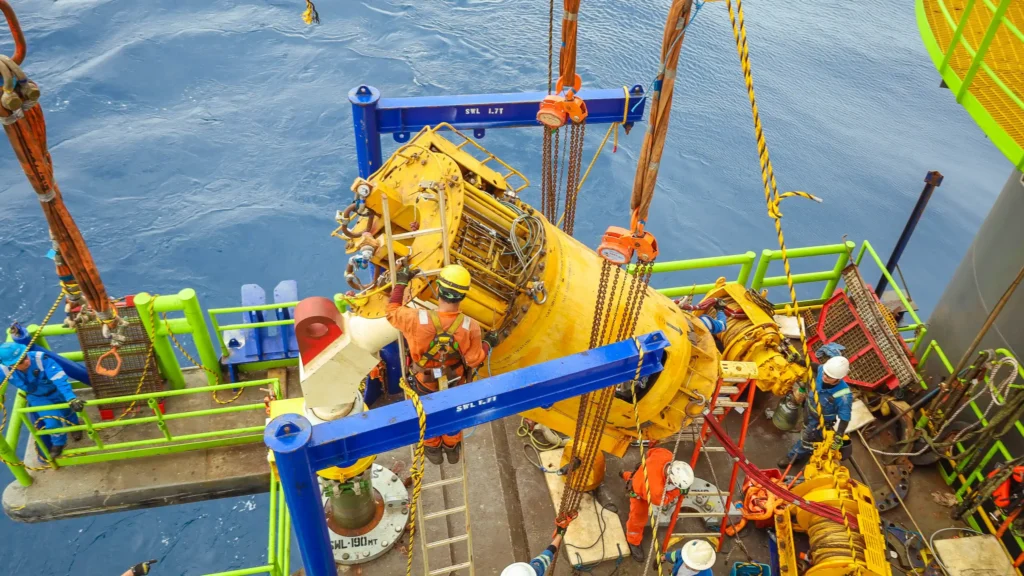
Agbami Water Injection Flowline Replacement Project
Decommissioning of damaged WI flowline by cutting, lifting and shifting; recovery of wet- stored flowline into vessel Carousel; re- installation to seabed…
Discover more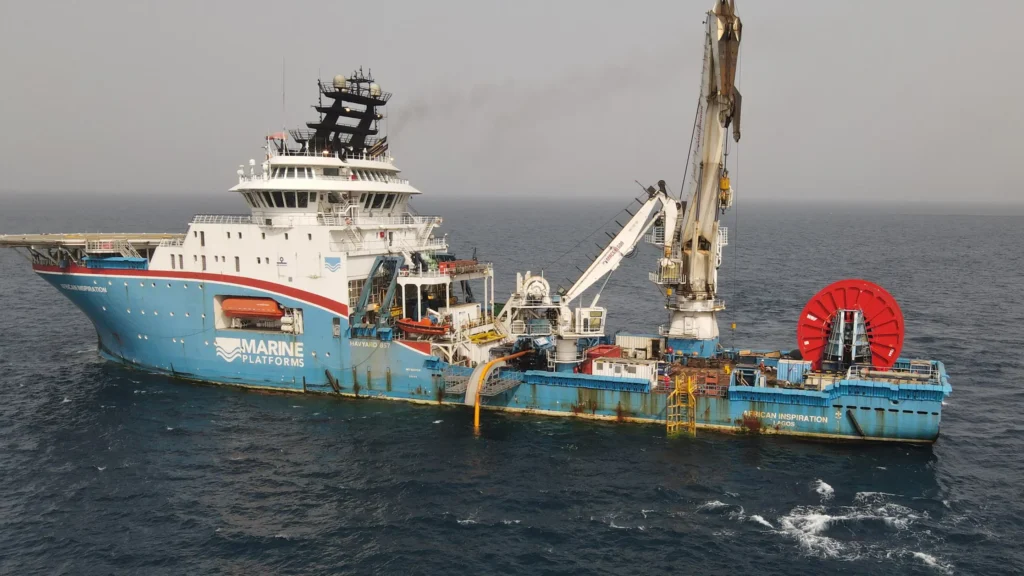
Anyala-Madu TIP
T&I of 8″ × 1.2km water discharge riser, MADP1 SSIV Manifold installation, and recovery & re-lay of 23.3km displaced MADU Umbilical with…
Discover more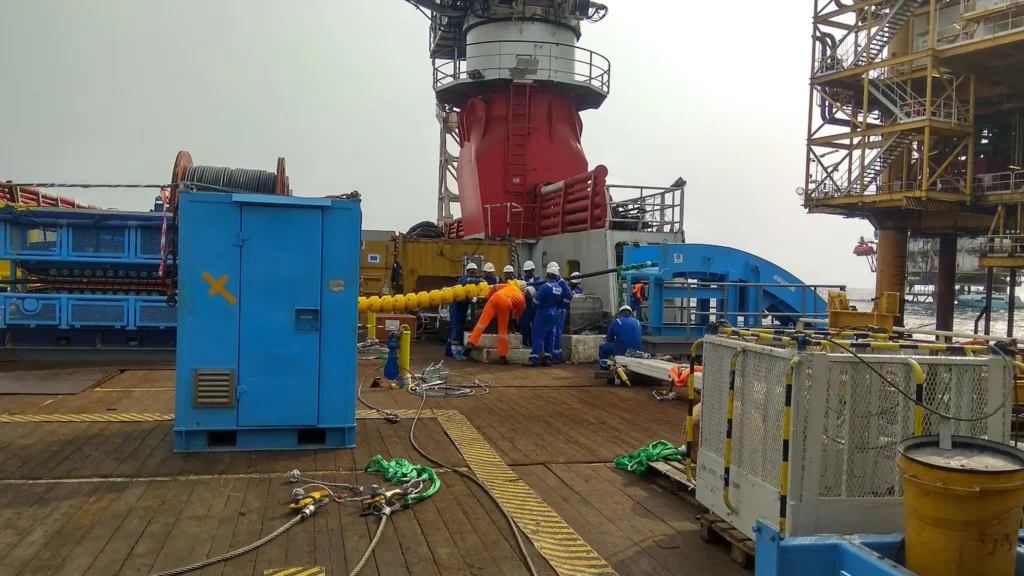
Ikike T&I
15km submarine power cable (3.3kV + fibre optics) installation and burial to 1.5m depth, dive support for spool installation, and full DSV…
Discover more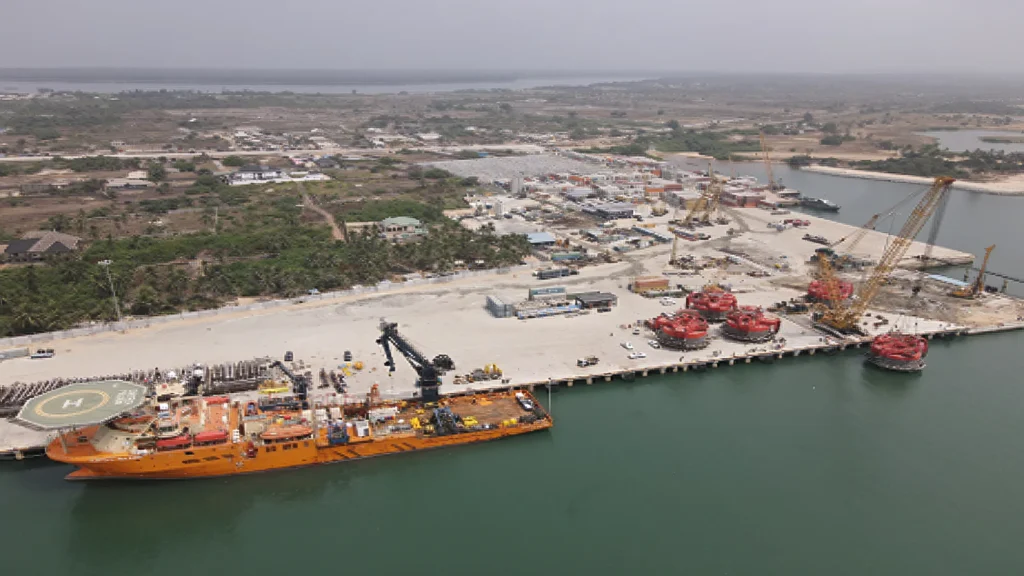
CALM Buoys TIP
T&I of 5-off SPM CALM Buoys with anchor piles, mooring chains, hoses and expansion spools. Pre-commissioning included hydrotesting of 59.94km × 24″…
Discover more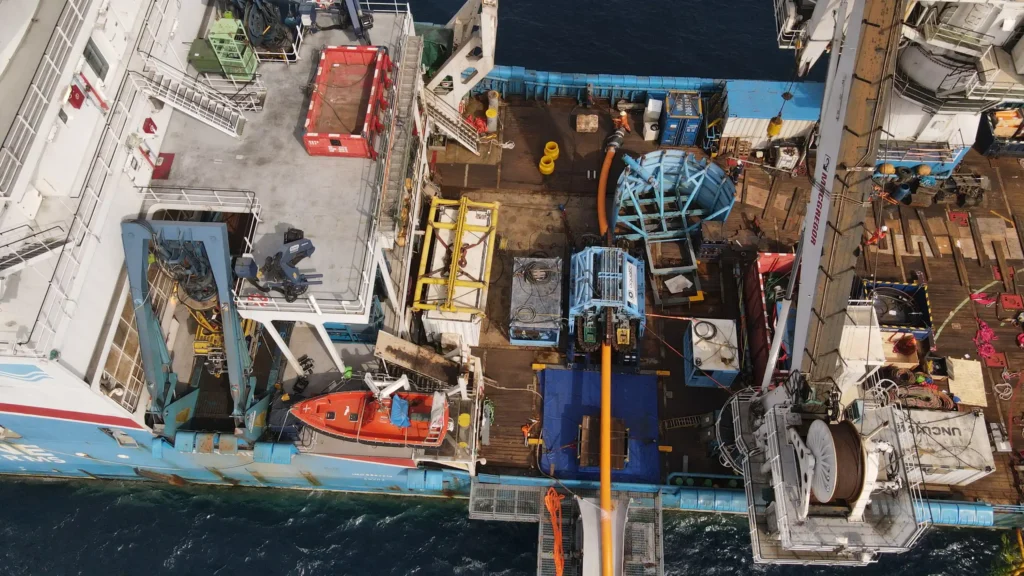
Anyala-Madu SURF
CPI transport from Europe, Mid-Water Arch, 2-off RRAs, multiple flexibles (4″–12″), 23.563km power cables, SSIV umbilical, subsea tie-ins, FPSO pull-in, hook-up and…
Discover more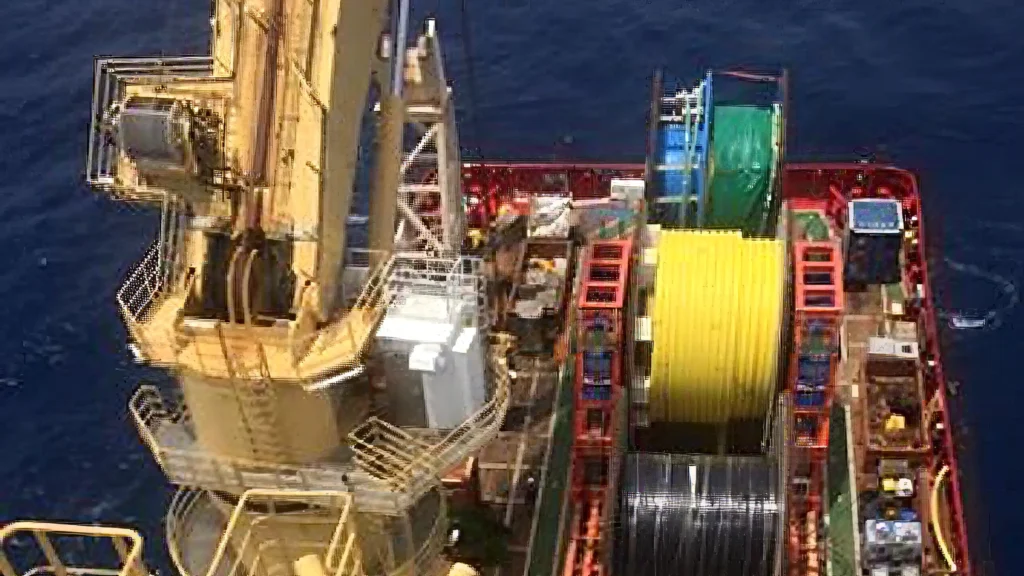
Agbami Water Injection Flexible T&I
Loadout, T&I and pre-commissioning of WMB3 Water Injection Flexible Flowline at 1,500m ultra-deepwater, installed between 2 temporary parking frames on the Agbami…
Discover more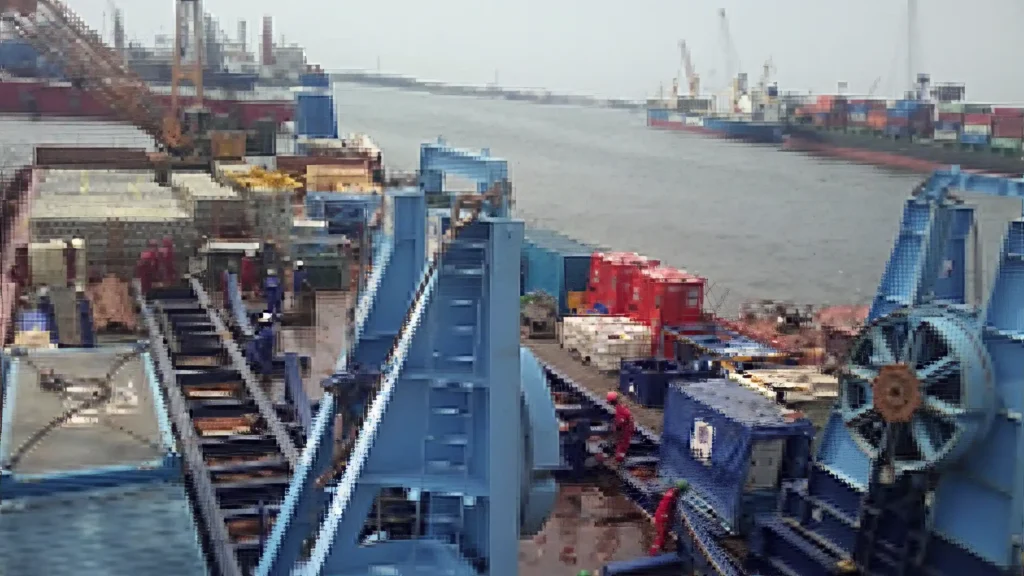
Meji Flexible TIP
4″ and 6″ flexible riser/flowlines with Uraducts across multiple Meji jacket connections totalling ~6.12km, concrete mattresses, and pre- commissioning of all flexible…
Discover more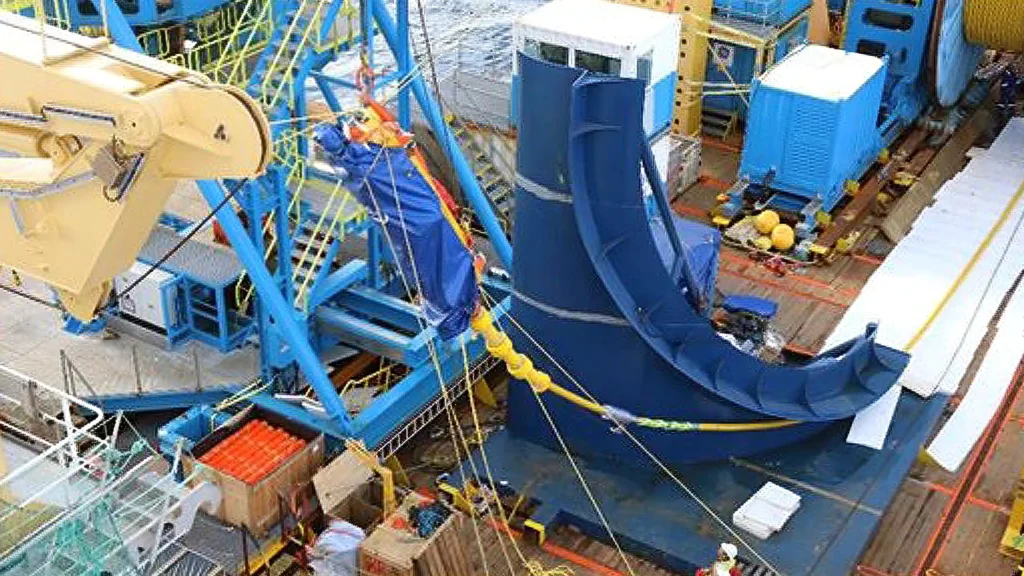
ABO Phase 3 SURF TIP
Multi-year deepwater project at 1,400m featuring subsea structures, 5.175km flexibles, 2.235km umbilical, flying leads, and comprehensive tie-in and commissioning operations.
Discover more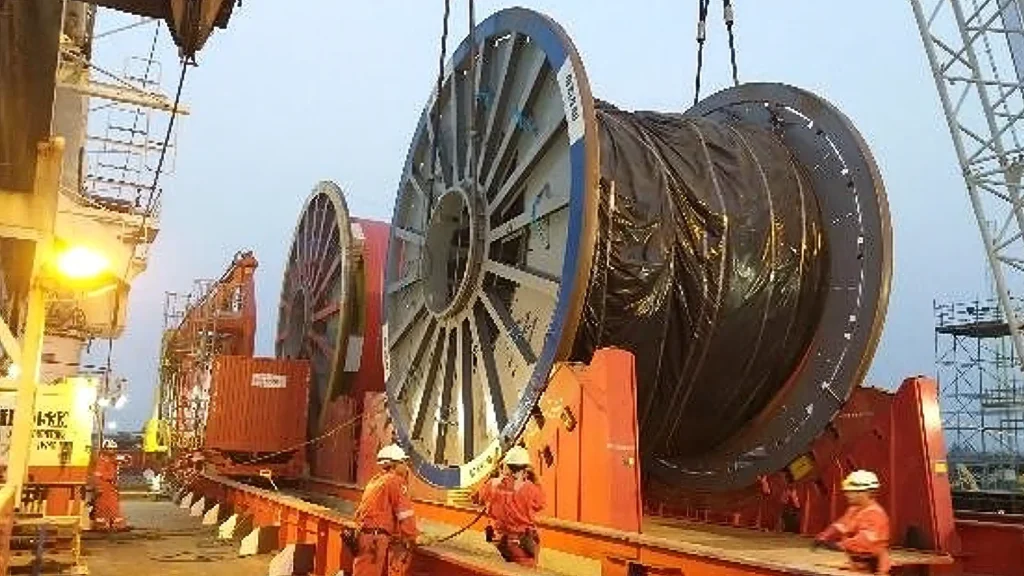
Agbami Phase 3 SURF TIP
Major ultra-deepwater SURF: loadout and transport of 6 flowline reels, 3 umbilical reels, SFLs/EFLs, IUTA foundation; installation of 6 flexible flowlines, 3…
Discover more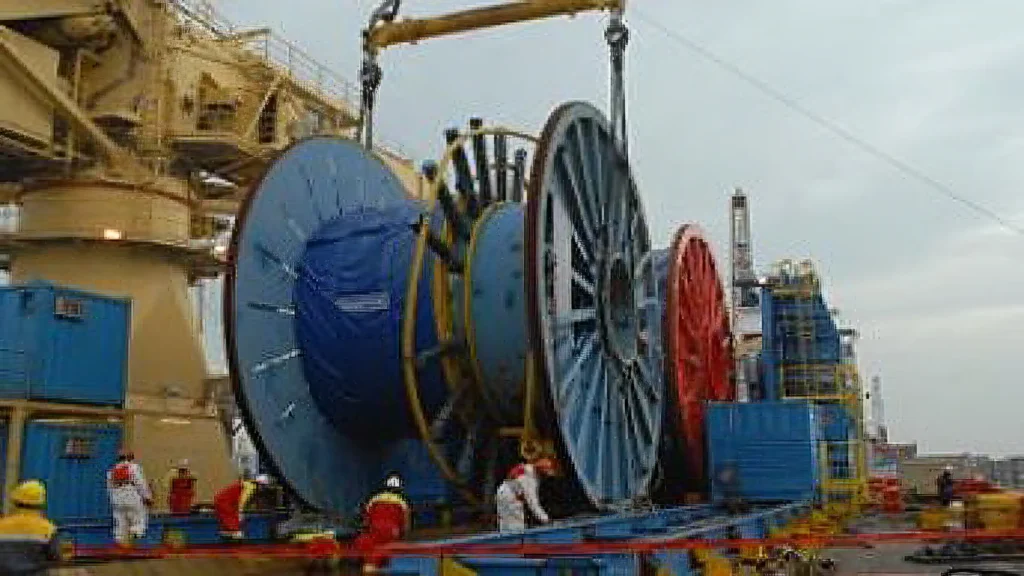
Oyo Phase 1 SURF Project
Mid-water field expansion involving subsea surveys, equipment recovery and relocation, new infrastructure installation, and complete commissioning support across 200–500m water depth.
Discover moreSingle Anchor Loading System Anyala-Madu Field
Delivering a complete offshore loading system for the Anyala-Madu Field
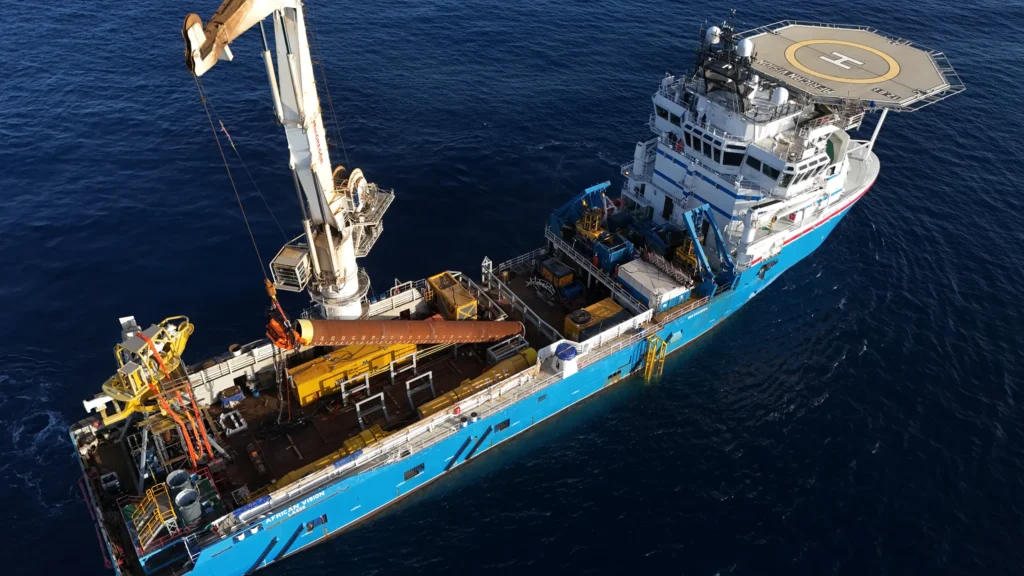
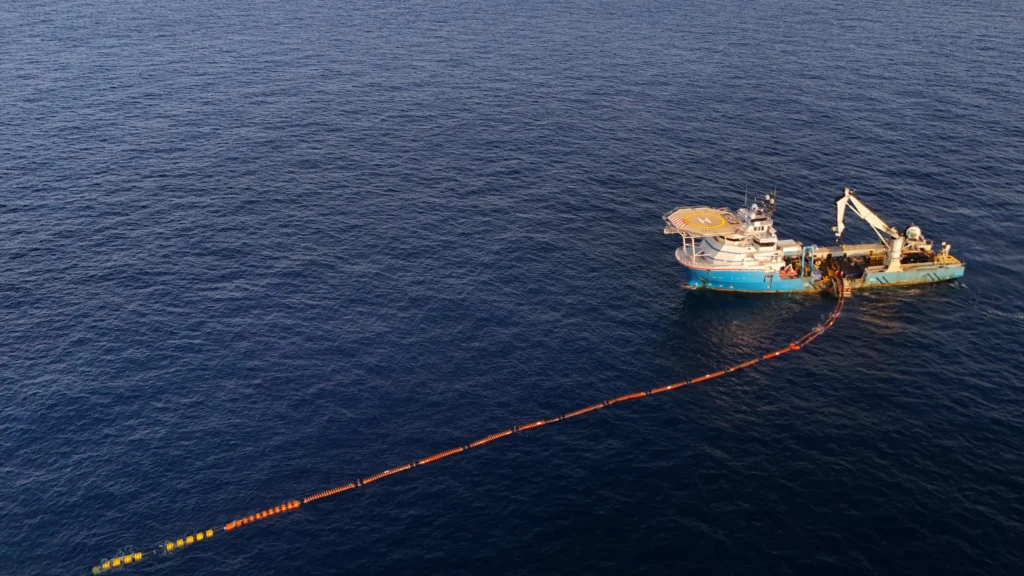
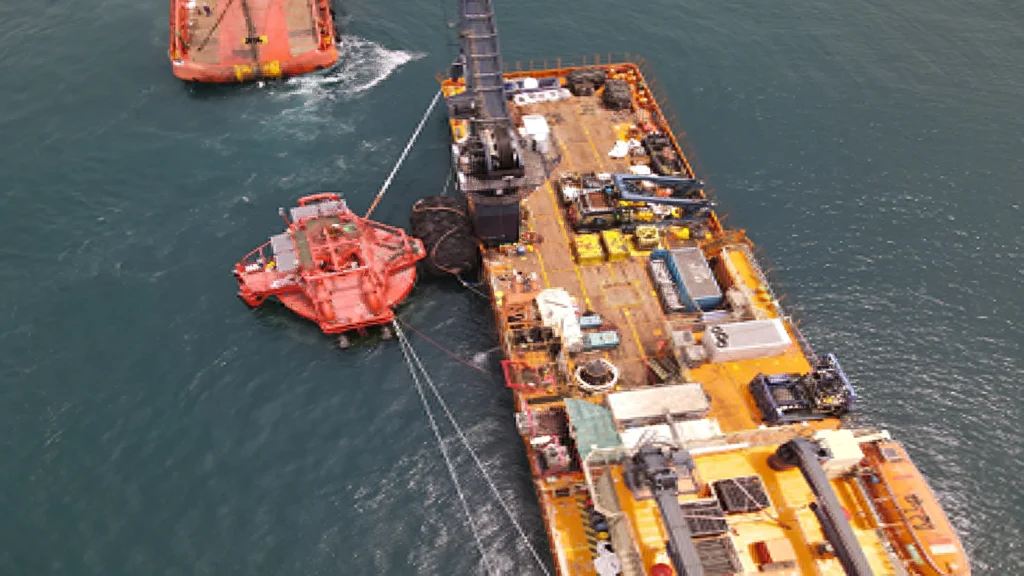
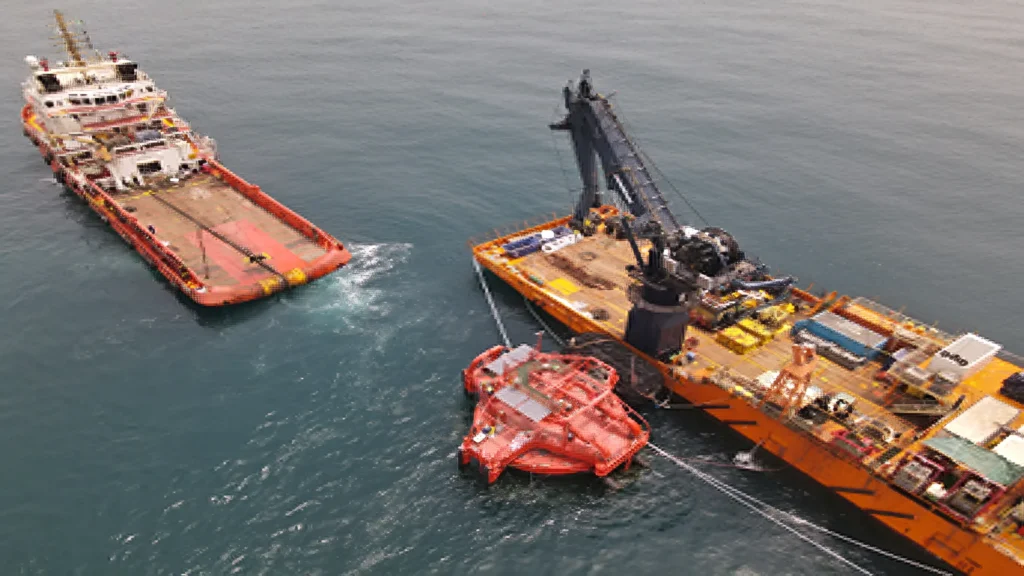
Marine Platforms is delivering the complete loadout, transportation and installation scope for the Single Anchor Loading (SAL) System on the Anyala-Madu Field for First E&P (FEP). Designed as a safe, reliable single-point mooring solution, the system will support tanker offloading operations at the producing offshore development.
The scope includes the installation of the SAL Anchor Pile (84″ Ø × 26 m, approximately 58 Te), SAL Base and Turret Assembly (approximately 63.6 Te), Pennant Buoy and Marine Hoses, and the complete SAL Mooring System, comprising the Chafing Chain, Upper and Lower Mooring Segments, and Mooring Line Clump Weight (approximately 9.6 Te).
The scope also covers the SAL Flowline System, including 20″ Lower and Upper Hose Segments, Transition Piece, 24″ Floating Hose Segments and Double Tail Hose, as well as the Idle Buoy System with its dedicated Anchor Pile (60″ Ø × 17 m, approximately 23.6 Te).
Complex Multi-Component Integration in Live Offshore Conditions
Delivering the SAL system in a live offshore environment demands precise integration of foundation installation, structural stabbing and grouting, hose and mooring assembly, and final commissioning. Marine Platforms combines robust SIMOPS planning, engineered rigging solutions and accurate marine-spread positioning to control interfaces and execute each stage safely and efficiently.
Pre-commissioning activities include hose integrity testing, flange connection leak testing, mooring system functional verification, pennant buoy communication checks, and final SAL system readiness verification prior to handover.
FPSO Abigail Joseph Debottlenecking
Expanding processing capacity to support the next phase of field development
The FPSO Abigail Joseph Debottlenecking Project will expand processing capacity to accommodate planned infill wells and the Anyala East development. The upgrade is designed to improve oil, liquid and gas handling performance, enabling the FPSO to support higher production from the wider Anyala-Madu field.
The project is currently in the planning phase. The Module Transportation and Heavy Lift scope includes the safe and efficient transportation of a prefabricated process module from the fabrication yard in Shanghai, China, to the Anyala West offshore location, followed by its heavy lift and installation onto the existing FPSO.
The planned capacity upgrades will increase:
- Oil processing: 60,000 to 70,000 barrels per day (bopd)
- Total liquid handling: 90,000 to 110,000 barrels per day (bpd)
- Gas processing: 100 to 120 MMscf/d
- Gas monetization: 80 to 100 MMscf/d
International Module Logistics and FPSO Heavy Lift Integration
This project links international module logistics with a precision offshore heavy-lift campaign. Marine Platforms will manage the module’s journey from Shanghai to the Anyala West location and integrate its installation onto an operating FPSO through disciplined interface management, engineered lift planning and close coordination across fabrication, transportation and offshore teams.
Successful execution requires detailed logistics planning, transportation and route development, comprehensive risk assessment, and robust heavy lift engineering. Key activities include module structural integrity assessments, load-out and offloading simulations, crane selection and engineering, lift sequence planning, and post-lift inspection and verification.
Upon completion, the project will enhance the FPSO’s processing capacity and support increased production from the wider Anyala-Madu field development.
Agbami Water Injection Flowline Replacement Project
Restoring water injection capacity at 1,500m ultra-deepwater
Marine Platforms restored water-injection capability on the Agbami Field through a complete flexible-flowline replacement at 1,500 m water depth. Following damage to the existing line, the team delivered a carefully sequenced campaign covering decommissioning, recovery, re-installation, pre-commissioning and integrity verification, while limiting disruption to field operations.
The scope included subsea decommissioning of the damaged flowline, including cutting, lifting, and clearing the damaged section. A wet-stored replacement flowline was then recovered from the seabed and transferred onto the vessel Carousel for re-installation. Following installation, the flowline underwent comprehensive pre-commissioning and integrity testing to confirm its operational readiness prior to handover.
Integrated Deepwater Decommissioning and Flowline Replacement
Executing decommissioning and re-installation operations at 1,500 m water depth required precise ROV intervention, specialist deepwater cutting equipment, and a vessel equipped with a large-capacity Carousel for wet-stored flowline recovery.
By combining decommissioning, wet-stored flowline recovery, re-lay and pre-commissioning within one coordinated offshore campaign, Marine Platforms reduced interfaces and maintained execution continuity. The outcome demonstrates proven capability in deepwater remediation, specialist ROV intervention and safe restoration of critical subsea infrastructure.
Anyala-Madu TIP
Riser installation, manifold deployment and critical umbilical recovery on Anyala-Madu
In 2023, Marine Platforms delivered three integrated transportation, installation and pre-commissioning scopes on the Anyala-Madu Field in water depths of 25–55 m. The programme included installation of an 8″ × 1.2 km water-discharge flexible riser, deployment of the MADP1 SSIV manifold and recovery and reinstatement of a displaced subsea umbilical.
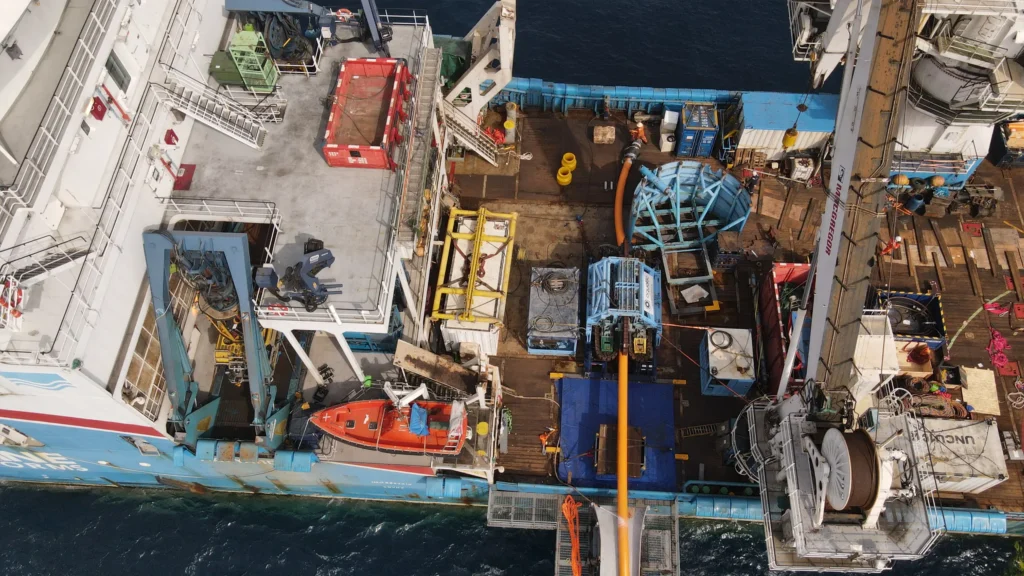
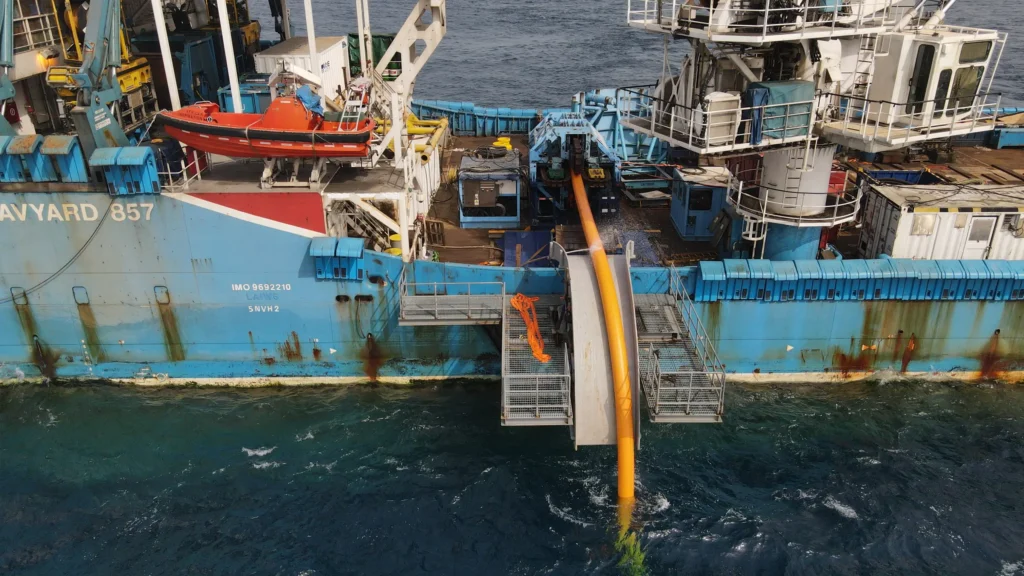
A key element of the project involved locating and recovering 700 m of the displaced MADU umbilical, forming part of a 23.3 km full-length umbilical system. The recovered section was re-laid, pulled through the J-tube, and terminated at TUTU. The scope also included air diving operations, umbilical testing, and termination.
Precise Umbilical Location, Recovery and Re-Lay in a Live Producing Field
Locating and recovering a 700 m displaced section of a 23.3 km umbilical in a live producing field required detailed pre-survey activities, skilled ROV operations, and a thorough as-found assessment before recovery.
Precise re-lay, J-tube pull-in and TUTU termination depended on accurate vessel positioning and close coordination between offshore crews, divers, ROV teams and onshore engineering support. The successful reinstatement restored subsea control capability to the Madu platform and supported continued field production.
Ikike T&I
Submarine power-cable installation and burial for the Ikike Field
Marine Platforms delivered the transportation and installation scope for the Ikike field development in 2022, offshore Nigeria. The centrepiece was the controlled lay of a 15 km, 3.3 kV submarine power cable with integrated fibre-optic communications, followed by burial to 1.5 m for long-term mechanical protection.
Marine Platforms also provided comprehensive dive support for spool installation and pre-commissioning activities, alongside fabrication, procurement, and logistics support for the Dive Support Vessel (DSV). This included fabrication of the boat landing, winch grillage, and deployment chute; procurement of rigging and installation aids; inspection and certification; and DSV mobilisation and demobilisation support.
Precise Cable Lay and Burial in a Dynamic Shallow-Water Environment
Installing and burying a 15 km submarine power cable with integrated fibre optic communications within a defined corridor and across 20–60 m water depths required detailed route engineering, real-time cable tension monitoring, and precise vessel manoeuvring to maintain accurate cable placement throughout the installation.
Achieving the specified burial depth demanded detailed seabed assessment, fit-for-purpose burial tooling and continuous as-buried verification. By integrating cable lay and burial with DSV support, fabrication, procurement and logistics, Marine Platforms provided a coordinated route from mobilisation through testing and readiness for service.
CALM Buoys TIP
Integrated offshore mooring and pipeline infrastructure for a major refinery
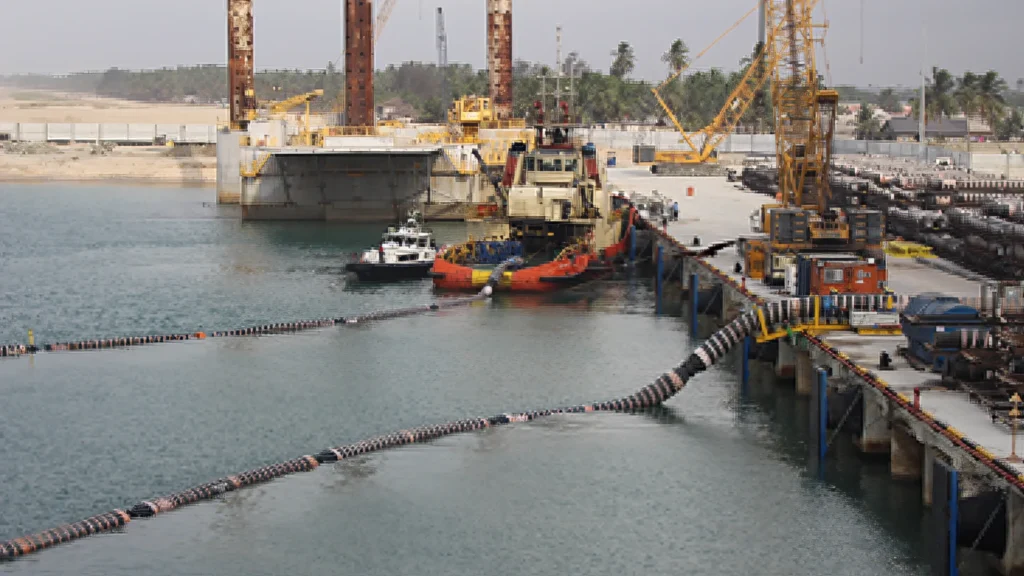
Marine Platforms delivered the transportation and installation of five Single Point Mooring CALM Buoys for a major refinery’s offshore offtake system in water depths of 22–40 m. The programme integrated mooring foundations, buoy systems, marine hoses, hawsers, expansion spools and extensive pipeline pre-commissioning within one coordinated offshore scope.
The scope included the installation of 30 anchor piles and mooring chains, five CALM Buoys, 10 submarine and 10 floating hose strings, and 10 mooring hawsers. Marine Platforms also installed and tied in four 24″ Ø and four 48″ Ø expansion spools, connecting the buoy systems to the submarine pipeline infrastructure.
The pre-commissioning scope included submarine and floating hose string testing, FCG and hydrostatic pressure testing of approximately 59.94 km of 24″ Ø submarine pipeline and 32.90 km of 48″ Ø submarine pipeline, followed by final CALM Buoy system testing to verify operational readiness for the refinery’s marine offtake operations.
Pre-Commissioning of Over 90 km of Large-Diameter Submarine Pipelines
The pre-commissioning scope for the CALM Buoy project involved one of the most extensive offshore pipeline testing programmes undertaken in Nigerian waters, covering approximately 92.84 km of combined 24″ and 48″ submarine pipelines.
The programme required disciplined control of large test-media volumes, sustained pressure integrity and safely sequenced testing and dewatering across both pipeline systems. Marine Platforms’ engineering and offshore teams completed the large-scale pre-commissioning scope with a clear focus on safety, test assurance and operational readiness.
Anyala-Madu SURF
Integrated SURF installation for the Anyala-Madu Field development
Marine Platforms delivered the complete transportation, installation and pre-commissioning scope for the Anyala-Madu field development in 2020. The campaign began with the international loadout and movement of client-provided equipment from Europe to Nigeria, followed by an integrated offshore installation programme.
The installation scope included a Mid-Water Arch (MWA) with four piles, two Rigid Riser Assemblies (RRAs), and an extensive flexible system comprising 4″, 6″, 10″, and 12″ diameter flowlines and risers, with individual lengths ranging from 160 m to 1.434 km. The scope also included the installation of 23.563 km of power cables and an 189 m SSIV umbilical.
The project was completed with subsea tie-ins of all flexible systems and the umbilical to the Concrete Spar Platform (CSP), together with FPSO pull-in, hook-up, and pre-commissioning of the installed systems.
Landmark SURF Installation Integrating Multi-Diameter Flexible Systems and Over 23 km of Power Cable
At the time, the Anyala-Madu development represented one of Marine Platforms’ most comprehensive SURF campaigns, bringing international logistics, multi-diameter flexible systems, a Mid-Water Arch, two Rigid Riser Assemblies and more than 23 km of power cable into a single execution plan.
The FPSO pull-in and hook-up activities required precise coordination between the installation vessel, FPSO, and CSP to safely sequence the riser and umbilical connections through to final pre-commissioning. The successful execution demonstrated Marine Platforms’ capability to deliver complex, integrated SURF installation projects in Nigeria’s offshore sector.
An extraordinary project
A landmark SURF installation integrating over 23km of power cable with multi-diameter flexible systems
The Anyala-Madu SURF project was the most complex and comprehensive SURF scope MPL had executed to that date — integrating CPI transport from two continents, multi-diameter flexible systems, a mid-water arch structure, two rigid riser assemblies, and over 23km of power cable into a single coordinated offshore campaign. The FPSO pull-in and hookup phase demanded precise coordination between the vessel, the FPSO, and the CSP structure to safely sequence all riser and umbilical connections through to final commissioning. The project established MPL’s credentials as a tier-one SURF contractor in Nigeria’s offshore sector.
Agbami Water Injection Flexible T&I
Ultra-deepwater flowline installation at 1,500 m on the Agbami Field
Marine Platforms delivered the loadout, transportation, installation and pre-commissioning of the WMB3 water-injection flexible flowline on the Agbami Field at 1,500 m water depth. The project strengthened the field’s water-injection system, supporting reservoir-pressure management and sustained production.
The WMB3 WI Flowline was installed between two temporary parking frames in an ultra-deepwater environment, requiring precise dynamic positioning and specialist flexible flowline installation techniques. The scope covered loadout, offshore transportation, deepwater installation, and full pre-commissioning to verify system integrity and operational readiness prior to handover.
Precision Flexible Flowline Installation at 1,500 m Water Depth
Installing the WMB3 WI Flowline at 1,500 m water depth presented significant technical and operational challenges. The installation required precise ROV-guided operations, specialist tensioner control, and continuous real-time monitoring to ensure accurate flowline placement throughout the campaign.
Successful delivery reinforced Marine Platforms’ ability to execute technically demanding flexible-flowline installations safely and efficiently in ultra-deep water. It also extended the company’s established Agbami experience and demonstrated repeatable capability on a critical producing asset.
Meji Flexible TIP
Flexible-flowline installation across an ultra-shallow-water field
Marine Platforms installed approximately 6.12 km of 4″ and 6″ flexible risers and flowlines across the Meji Field jacket network in water depths of 5.6–10.5 m. Complete with Uraduct protection, the new connections support production gathering and gas processing across multiple platforms.
The scope comprised four flexible riser/flowline installations: a 1.62 km 4″ line from Meji Jkt-20 to Meji GGCP; a 1.64 km 4″ line from Meji Jkt-03 to Meji Jkt-13; a 0.82 km 4″ line from Meji Jkt-02 to Meji Jkt-22; and a 2.04 km 6″ line from Meji Jkt-20 to Meji RP.
All flexible lines were installed with Uraduct protection, while concrete mattresses were installed for additional pipeline protection. Full pre-commissioning was completed to verify the integrity and operational readiness of the installed systems.
Precision Installation in Ultra-Shallow Water
Working in water depths as shallow as 5.6 m presented significant installation challenges, including vessel draft limitations, navigation constraints, and diver safety around existing jacket structures. Marine Platforms developed project-specific installation methodologies to safely execute the work within the ultra-shallow sections of the field.
Marine Platforms selected and engineered the marine spread around shallow-water constraints, supported by detailed squat, clearance and SIMOPS studies. The completed multi-platform campaign demonstrates the company’s ability to adapt offshore installation methods to congested, ultra-shallow environments without compromising safety or control.
ABO Phase 3 SURF TIP
Integrated deepwater SURF delivery for the ABO Phase 3 development
Marine Platforms delivered an integrated deepwater transportation, installation and pre-commissioning programme for the ABO Phase 3 development with Ceona. Executed for Nigerian Agip Exploration on OML 125, approximately 55 km offshore Nigeria, the campaign combined subsea structures, flexibles, umbilicals, tie-ins and commissioning support across water depths of 450–750 m.
The subsea structures scope included the installation of a Subsea Distribution Unit (SDU), wet parking stand, PLEM with suction pile, and X-Trees, together with associated equipment management operations. The flexible and umbilical scope comprised 5.175 km of 6″ flexible flowlines, a 2.235 km static in-field umbilical, six hydraulic flying leads, and eight electrical flying leads.
The project was completed with full system tie-ins, pigging loop disconnection and reconnection, comprehensive pre-commissioning, and FPSO commissioning support, ensuring the subsea infrastructure was fully integrated and operational prior to handover.
Deepwater Infrastructure Integration and International Partner Coordination
The ABO Phase 3 SURF TIP project was a complex deepwater campaign requiring close coordination between Marine Platforms, international partner Ceona, and the Normand Pacific installation vessel. The campaign involved CPI transportation, subsea structure deployment, and the installation and integration of flexible flowlines and umbilicals at water depths of up to 750 m.
Successful delivery depended on disciplined project management, robust engineering and precise execution across interconnected scopes and international interfaces. Completion of the installations, tie-ins, pre-commissioning and FPSO support demonstrated Marine Platforms’ ability to deliver integrated deepwater SURF programmes from mobilisation to operational handover.
Agbami Phase 3 SURF TIP
Multi-phase ultra-deepwater SURF delivery at 1,500 m water depth
Marine Platforms delivered the full SURF transportation, installation and pre-commissioning scope for Agbami Phase 3 at 1,500 m water depth. Structured across one main and two interim mobilisation phases, the campaign required sustained control of complex logistics, vessel interfaces and subsea installation sequences.
The loadout and transportation scope included four Production Flowline Reels, one Gas Injection Reel, one Water Injection Reel, three Umbilical Reels, SFLs on Reels, EFLs on an Installation Basket, and a Foundation Structure for IUTA.
The installation scope comprised six flexible flowlines — four production, one water injection, and one gas injection — three umbilical lines, a Foundation Structure and Manifold, as well as the loadout and installation of subsea suction piles and manifolds. Full pre-commissioning was subsequently completed for all flexible flowlines and umbilical systems.
Six Flowlines,Three Umbilicals and Manifold Deployment in Ultra-Deepwater
Coordinating the loadout, transportation, and installation of multiple flexible flowline and umbilical systems, together with foundation structures, suction piles, and manifolds at 1,500 m water depth, required detailed planning and precise offshore execution.
The three-phase programme demanded rigorous pre-mobilisation readiness, effective vessel management and careful control of suspension and restart interfaces. Its successful completion demonstrated Marine Platforms’ capability to execute large, multi-phase SURF developments in ultra-deep water and reinforced the company’s long-term delivery record on the Agbami Field.
Oyo Phase 1 SURF Project
Subsea asset recovery, relocation and new infrastructure installation
Marine Platforms delivered integrated SURF transportation, installation and commissioning services for the Oyo Phase One expansion with Ceona. Executed for CAMAC Energy Inc. in water depths of up to 500 m, the programme combined subsea asset recovery and relocation, new flexible-flowline installation and light subsea construction.
Phase 1 involved a complete General Visual Inspection (GVI) survey of the subsea assets, including X-Trees, flowlines, umbilicals, and flying leads. Wet parking stands were installed, and subsea equipment was disconnected, including control systems from the trees, in preparation for recovery and relocation.
Phase 2 included the recovery and re-installation of X-Trees, Electrical Flying Leads (EFLs) and Hydraulic Flying Leads (HFLs), as well as the installation of new flowlines and recovery and re-installation of the umbilical. The scope also covered mattress crossing installation, flowline and umbilical pre-commissioning, and FPSO commissioning support.
The offshore campaign was executed using the Normand Pacific, equipped with a 75 t Vertical Lay System (VLS), 400-tonne reel drive system, and two work-class ROVs.
Integrated Subsea Recovery and Re-Installation in a Live Mid-Water Field
Executing recovery, relocation and new installation activities in a live producing field at water depths of up to 500 m required close coordination across survey, ROV, vessel and subsea operations.
The phased execution—from initial survey and disconnection through recovery, re-installation and commissioning—required rigorous interface management to ensure that every subsea system was safely reinstated, tested and ready for operation.
Successful delivery demonstrated Marine Platforms’ capability to manage complex, integrated subsea campaigns involving asset recovery, new infrastructure installation and commissioning in challenging mid-water environments, in collaboration with international partners.