
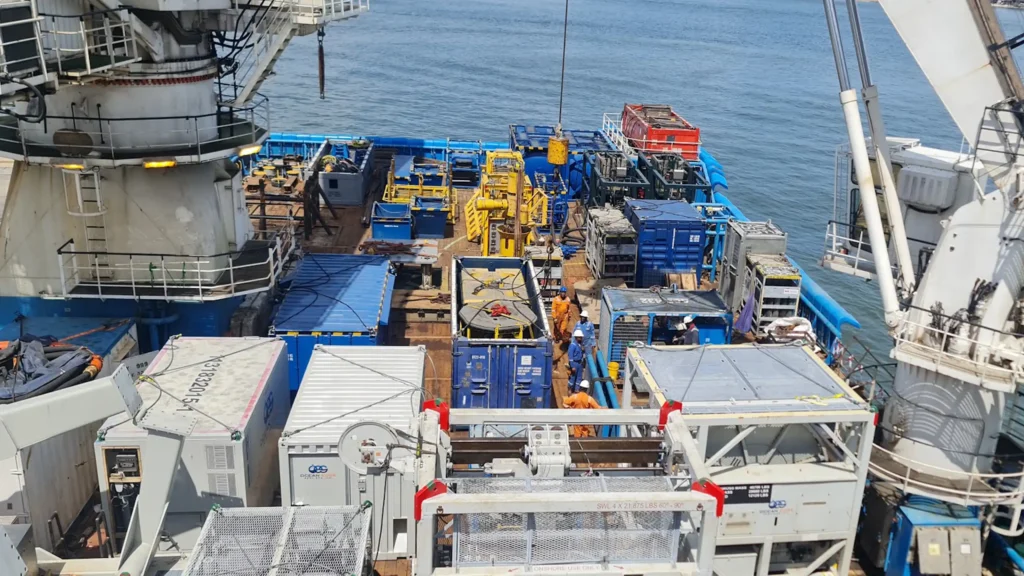
Azule Field LWI Operations
Light well intervention operations including subsea equipment deployment, well maintenance and remediation, production optimization services, and SSIV operations support.
Discover more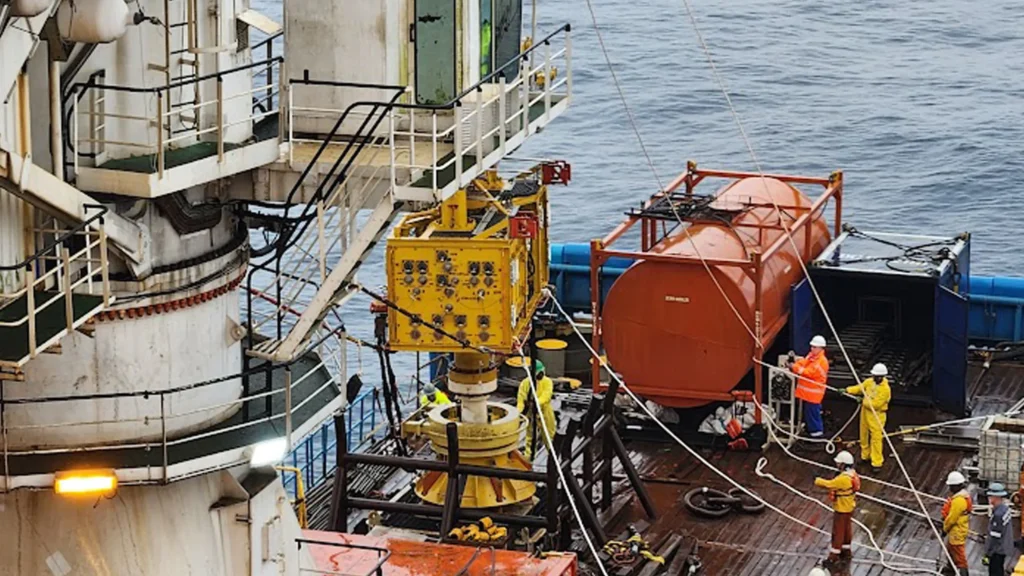
Bonga Field LWI — SILS Deployment
Light well intervention subsea isolation systems — SILS deployment and operations, well control equipment installation, intervention support services across multiple campaign executions…
Discover more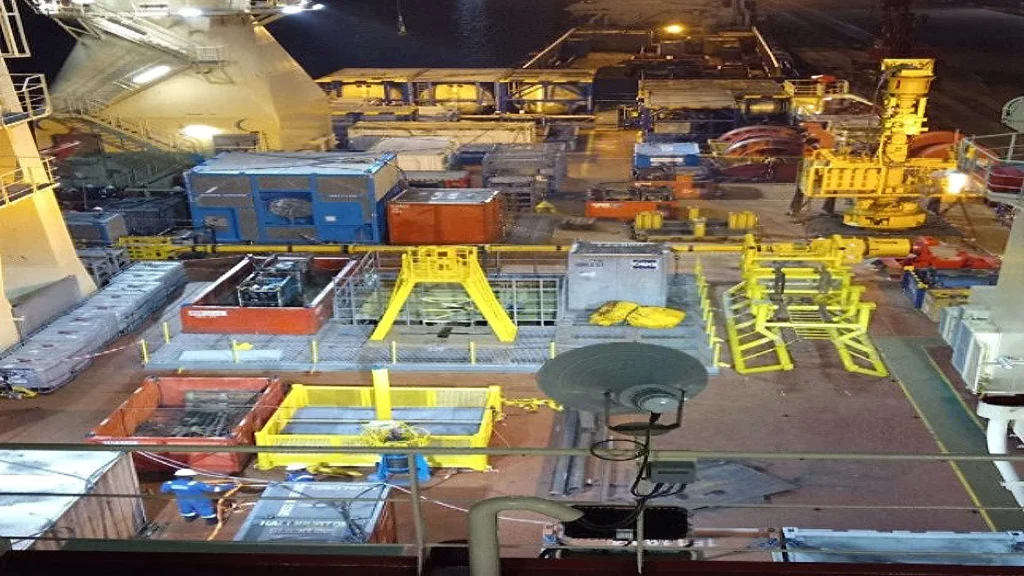
Akpo Field LWI Operations
Light well intervention operations for Akpo field well maintenance, subsea isolation valve support, production enhancement activities, and well intervention tooling.
Discover more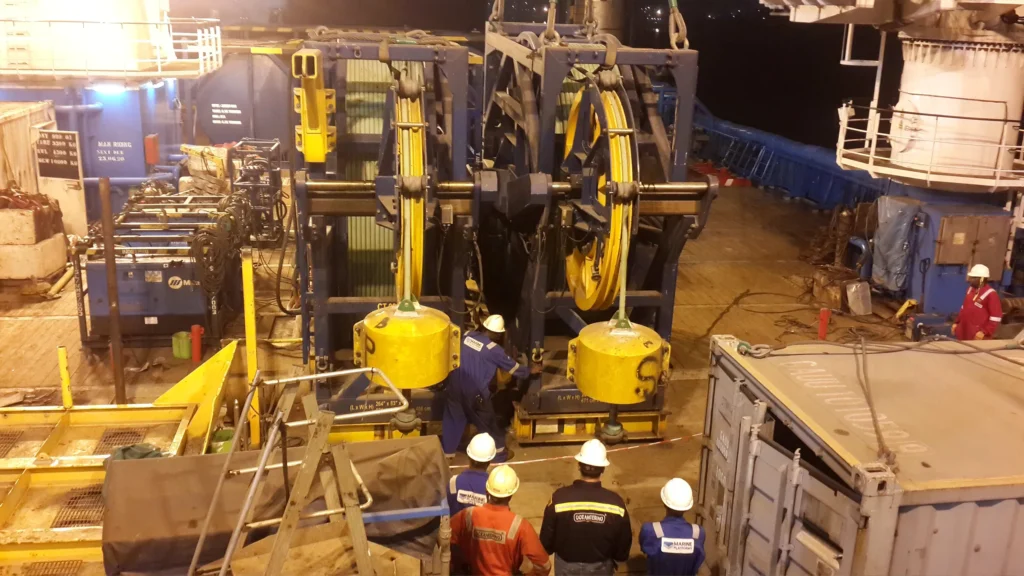
Agbami Acid Injection Campaigns
14 successful acid injection operations for well stimulation and production enhancement at 1,500m water depth. Full engineering support from deck plans through…
Discover more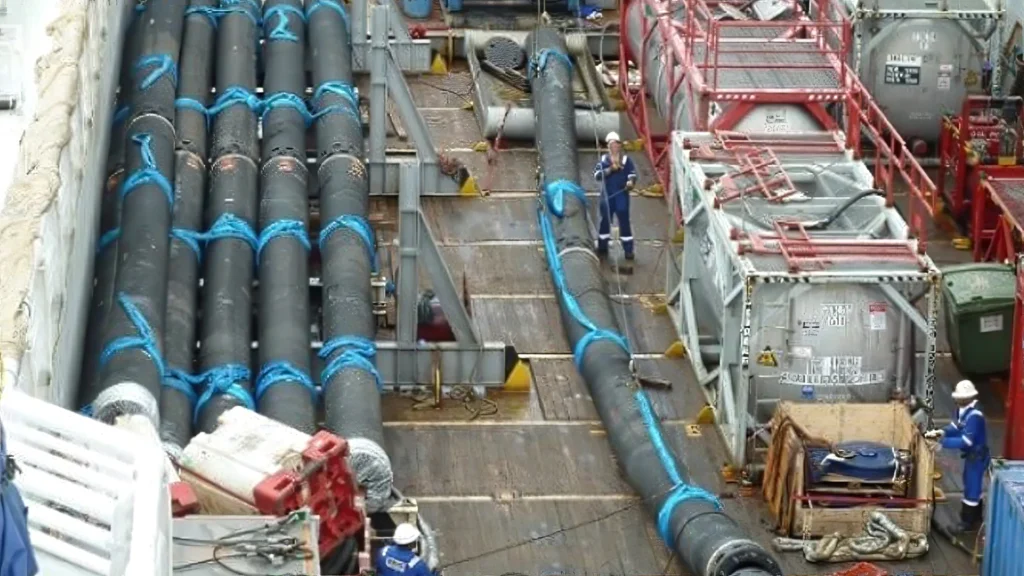
Bonga BOOR Recovery
Complete BOOR (Buoy Offloading Riser) recovery operations — 612m total riser recovered across seabed, FPSO, and SPM sections with full engineering support…
Discover more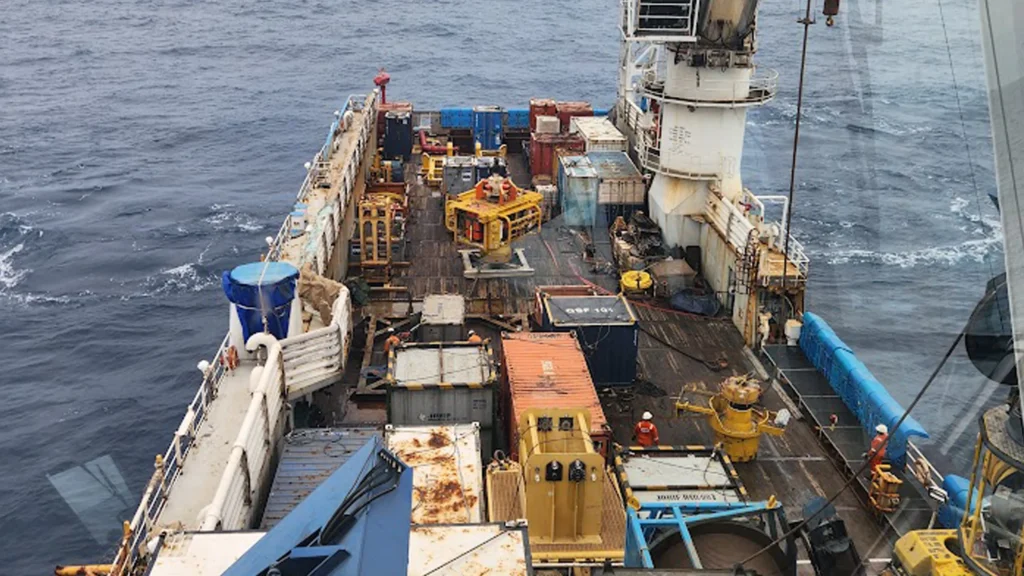
Multi-Field Subsea Asset Recovery Operations
Comprehensive asset recovery operations — pigging loop removal, Xmas tree recovery, jumper and flowline removal, and umbilical recovery across multiple fields.
Discover moreAzule Field LWI Operations
Integrated Light Well Intervention and SSIV Support in Angola
Marine Platforms delivered integrated Light Well Intervention and Subsea Isolation Valve support on the Azule Field in Angola. The campaign combined subsea equipment deployment, well maintenance and remediation, and safety-critical isolation activities within one coordinated offshore programme.
The project required close coordination between the intervention vessel, diving support teams, subsea personnel, and onshore engineering teams to safely execute well maintenance and intervention activities. Operations were supported by detailed planning, marine coordination, and rigorous adherence to applicable safety and environmental requirements.
Integrating Well Intervention with Subsea Safety Systems
The integration of LWI activities with SSIV operations required detailed planning and real-time coordination across multiple offshore disciplines. The campaign involved the controlled deployment and operation of subsea equipment while maintaining the required safety barriers throughout the intervention programme.
The successful execution of the integrated scope demonstrated Marine Platforms’ capability to coordinate multidisciplinary offshore operations, combining well intervention, subsea equipment operations, diving support, and safety-critical systems within a single campaign.
Bonga Field LWI — SILS Deployment
Subsea Isolation System Deployment and Well Control Operations on Bonga
Marine Platforms executed three Light Well Intervention Subsea Isolation System campaigns on the Bonga Field in 2017, 2019 and 2023. Across the repeat programmes, the team deployed well-control equipment, supported subsea interventions and operated Subsea Isolation Valves to maintain well integrity throughout each campaign.
Each campaign required detailed planning and coordination covering equipment mobilisation, subsea tooling deployment, vessel operations, and real-time well control monitoring. The repeat execution across multiple campaigns required consistent operational procedures and effective management of field-specific interfaces to ensure safe and controlled intervention activities.
Three SILS Campaigns Across the Bonga Field
The execution of three SILS deployment campaigns on the Bonga Field over a six-year period demonstrates Marine Platforms’ ability to maintain operational continuity and apply field-specific knowledge across repeat deepwater intervention campaigns.
The 2017, 2019, and 2023 campaigns required the mobilisation and deployment of specialist subsea isolation and well control equipment, supported by detailed engineering, offshore coordination, and disciplined execution. The repeat nature of the engagement also enabled Marine Platforms to build on experience from previous campaigns while adapting execution planning to the requirements of each intervention programme.
Together, the campaigns demonstrate Marine Platforms’ capability to deliver specialised LWI and subsea isolation operations safely and consistently on a major deepwater producing field.
Akpo Field LWI Operations
Light Well Intervention and Subsea Well Maintenance on the Akpo Field
In 2019, Marine Platforms delivered Light Well Intervention services on the Akpo Field, combining well maintenance, Subsea Isolation Valve operations and deployment of specialist subsea intervention tooling in a producing deepwater environment.
The campaign was executed in a producing deepwater environment and required close coordination between the intervention vessel, subsea tooling systems, and field operations. Activities were supported by detailed well intervention planning, real-time monitoring, and strict controls to maintain well integrity and ensure safe execution throughout the campaign.
Precision Well Intervention in a Producing Deepwater Environment
Executing LWI operations on a producing deepwater field requires precise control of subsea equipment, effective well monitoring, and close coordination between offshore and field operations teams.
The Akpo campaign required the controlled deployment and operation of specialist intervention tooling while maintaining well integrity and minimising disruption to ongoing field activities. The successful delivery demonstrated Marine Platforms’ capability to execute specialised LWI and subsea well maintenance operations safely and efficiently in a demanding deepwater environment.
Agbami Acid Injection Campaigns
14 Acid Injection Campaigns for Well Stimulation at 1,500 m Water Depth
Marine Platforms delivered 14 acid-injection campaigns for well stimulation on the Agbami Field over 13 years. Executed at water depths of up to 1,500 m, the repeat programmes supported production enhancement as part of the field’s wider well-intervention strategy.
Each campaign involved engineering and offshore execution support, including deck plan development, coiled tubing operations, acid pumping and monitoring, wellhead pressure management, and post-stimulation well testing. The operations required careful coordination of well intervention equipment, vessel systems, and field operations to maintain well integrity and ensure controlled execution throughout each campaign.
Sustained Well Stimulation Operations Across 13 Years
Executing 14 separate acid injection campaigns over 13 years required consistent engineering, detailed operational planning, and disciplined execution across successive intervention programmes.
Each campaign required the mobilisation and deployment of specialist well intervention equipment, precise control of acid injection and wellhead conditions, and close monitoring throughout the operation. Lessons and operational experience from previous campaigns supported effective planning and execution of subsequent interventions.
The sustained engagement demonstrates Marine Platforms’ capability to deliver repeat well stimulation and intervention services safely and reliably in an ultra-deepwater operating environment, while maintaining consistent operational standards across a long-term field programme.
Bonga BOOR Recovery
Complete BOOR Recovery from Seabed, FPSO and SPM at 1,000–1,200 m Water Depth
In 2017, Marine Platforms completed the recovery of the Bonga Buoy Offloading and Offloading Riser system in water depths of 1,000–1,200 m. The campaign recovered 612 m of riser across seabed, FPSO and SPM interfaces, requiring distinct engineered methodologies for each installation zone.
The decommissioning programme required detailed engineering for riser cutting, disconnection, lifting, and recovery, supported by specialist vessel spread mobilisation and subsea tooling. The recovery operations were carefully sequenced to safely remove the riser sections while protecting adjacent subsea infrastructure and the FPSO mooring system.
Multi-Section Deepwater Riser Recovery Across Three Installation Zones
Recovering 612 m of BOOR riser from seabed, FPSO, and SPM sections at water depths of up to 1,200 m required different recovery methodologies for each installation zone.
The seabed section involved ROV-guided cutting and controlled lifting from the mudline. The FPSO section required topside rigging and controlled disconnection from the turret, while the SPM section involved subsea disconnection and recovery to the surface.
Coordinating these activities within a single decommissioning campaign required detailed engineering, precise subsea operations, and close coordination between vessel, ROV, and topside teams. The successful recovery demonstrated Marine Platforms’ capability to execute complex deepwater decommissioning and riser recovery operations across multiple installation interfaces.
Multi-Field Subsea Asset Recovery Operations
Large-Scale Subsea Asset Recovery Across Three Deepwater Fields
Marine Platforms delivered coordinated subsea asset-recovery programmes across the Bonga, Agbami and Egina/Akpo fields. Covering pigging loops, trees, jumpers, flowlines and umbilicals, the campaigns recovered 226 individual assets from the seabed through carefully engineered survey, disconnection, lifting and handling operations.
The recovery programme involved detailed pre-survey activities, asset-specific cutting and lifting methodologies, and controlled subsea recovery operations. Recovered materials were managed for onshore disposal or recycling in accordance with applicable environmental requirements and decommissioning practices.
Recovery of 226 Subsea Assets Across Multiple Deepwater Fields
Recovering 226 subsea assets across three major offshore fields required detailed logistical planning and the application of different recovery methodologies for each asset type.
Operations included ROV-guided cutting and lifting of jumpers and flowlines, controlled recovery of Xmas trees and pigging loops, and the careful handling of umbilical systems. Each recovery required appropriate subsea tooling, lifting arrangements, and vessel coordination to safely retrieve the assets from the seabed.
The multi-field programme demonstrates Marine Platforms’ capability to manage complex subsea recovery campaigns involving diverse asset types, from initial survey and recovery through to onshore handling and final disposal or recycling.